Blog
Patience and Staying Calm
The Art of Calm Waiting: Why Patience Is About Your Inner State, Not the Clock
I spent over 18 years performing stand-up comedy alongside legends like Jerry Seinfeld, Rodney Dangerfield, and Eddie Murphy. When you’re waiting backstage to go on at The Improv or watching the seconds tick by before your Showtime special airs, you learn something profound: patience isn’t about how long you wait—it’s about who you are while you’re waiting. It’s about patience and staying calm.
That quote we’ve all heard—”Patience isn’t the ability to wait, but the ability to remain calm as you’re waiting”—isn’t just philosophical wisdom. It’s a practical success strategy I’ve used to transition from comedian to Hall of Fame speaker, and it’s the mindset that separates those who thrive from those who merely survive.
Patience and Staying Calm: The Waiting Room We All Occupy
Every single day, we find ourselves waiting. Waiting for deals to close, recognition, that promotion, that client callback, that breakthrough moment. We wait in traffic, in lines, in meetings that should’ve been emails. The modern professional spends an estimated 20% of their work life waiting for something—a response, a decision, a green light.
But here’s what I discovered during my comedy days and confirmed through decades of working with Fortune 500 companies: The people who succeed aren’t necessarily faster. They understand patience and staying calm. They’ve mastered the art of remaining emotionally balanced during the inevitable delays life throws at everyone.
Patience and Staying Calm: Why Calm Waiting Beats Anxious Waiting Every Time
Let me share a story. Early in my speaking career, I was dead last out of 23 speakers at my first showcase. Dead. Last. I tried to sound like what I thought a “serious motivational speaker” should sound like, and I bombed spectacularly. There was a choice to make in that moment: I could spiral into frustration about waiting for another chance, or I could calmly assess what went wrong.
I chose calm. I realized my humor was my authenticity—not something to suppress while waiting to “arrive” as a speaker. At my next showcase, I incorporated humor, and buyers immediately hired me. That period of waiting—between failure and success—didn’t change in duration. What changed was my internal state during the wait. It was about patience and staying calm.
Research backs this up. Studies on stress and performance show that people who maintain emotional equilibrium during uncertain periods make better decisions, preserve their energy, and actually spot opportunities that anxious people miss. When you’re calm, your prefrontal cortex functions optimally. When you’re agitated during a wait, your amygdala hijacks your decision-making.

Patience and Staying Calm: The Difference Between Passive Waiting and Patient Action
Now, let’s be clear—I’m not talking about passive waiting. I’m not suggesting you sit on your hands and hope things work out. There’s a massive difference between patience and passivity, and too many people confuse the two.
Patience with action is productive. Patience without action is procrastination wearing a disguise.
When I decided to leave comedy at the peak of my career to become a motivational speaker, people thought I was crazy. I was performing at sold-out venues, living my dream. But I knew I had a different calling. The transition didn’t happen overnight. I had to wait for the right opportunities, the right connections, the right moment. But while I was waiting, I was preparing. I was studying. I was developing my message.
That’s the kind of patience I’m talking about—the kind that keeps you grounded and focused while you actively work toward your goals. You’re not white-knuckling it through the delay. You’re using the delay.
Patience and Staying Calm: Three Strategies to Stay Calm While You Wait
After working with thousands of professionals and speaking to audiences across the globe, I’ve identified three core strategies that help people maintain their composure during waiting periods:
1. Shift Your Focus to What You Can Control
Most anxiety during waiting comes from obsessing over what we can’t control. You can’t control when the client will call back, the economy, or other people’s decisions. But you absolutely can control your preparation, your attitude, and your next move.
I call this the “SHIFT” strategy—and it’s been the cornerstone of my teaching for years. When you SHIFT your focus from the uncontrollable to the controllable, you immediately reclaim your power. Instead of checking your email 47 times waiting for a response, channel that energy into improving your pitch, expanding your network, or developing a backup plan.
2. Find the Humor in the Waiting
As a comedian, I learned that humor is the fastest way to short-circuit stress. When you can laugh at the absurdity of your situation, you’re no longer a victim of it. You’re observing it from a position of strength.
Waiting for your big break? There’s humor in that. Stuck in line at the DMV? Comedy gold. Delayed flight? It’s basically a comedy club without the two-drink minimum.
I’m not suggesting you ignore real problems or pretend everything’s fine. I’m saying that when you tap into your “Humor Being”—that part of you that can find levity even in frustration—you lower your cortisol levels, boost your creativity, and make the wait significantly more bearable.
Another Strategy
3. Use Waiting Time as Investment Time
The most successful people I know treat waiting periods as investment opportunities. They’re not killing time; they’re using time to build skills, deepen relationships, or gather information.
Christopher Reeve, who I’ve studied extensively, was paralyzed from the neck down. He had every reason to sit and wait for someone else to find a cure, to bemoan his fate, to let impatience and frustration consume him. Instead, he remained remarkably calm while becoming one of the most powerful advocates for spinal cord research. He didn’t just wait for change—he invested his waiting time in creating change.
The Attitude Adjustment That Changes Everything
Here’s what I’ve learned after being inducted into the Speakers Hall of Fame and working with companies worldwide: Your attitude during the wait often matters more than the outcome of the wait.
I’ve seen people get everything they wanted and still be miserable because they spent the journey in agony. I’ve also seen people face setback after setback and remain fulfilled because they mastered their internal state.
This isn’t about positive thinking for the sake of feeling good. This is about recognizing that patience—real patience—is a competitive advantage. While your competitor is frantically refreshing their inbox or making desperate moves out of impatience, you’re calmly executing your strategy. While others are burning out from the stress of uncertainty, you’re conserving your energy for when opportunity finally arrives.
Patience and Staying Calm: When the Wait Tests Your Resolve
Let me be real with you: maintaining calm during extended waits is hard. I’m not going to pretend it’s easy or that I’ve mastered it perfectly. There have been times when I’ve wanted to force things, to make something happen just to end the discomfort of not knowing.
But every time I’ve acted from impatience rather than patience, I’ve regretted it. Impatience makes you take the wrong job, sign the wrong contract, or settle for less than you deserve just to end the waiting. Patience—calm, active patience—allows you to recognize the right opportunity when it finally shows up.
The key is building what I call your “Attitude Foundation”—a set of core beliefs and practices that keep you grounded when circumstances are uncertain. For some people, that’s meditation. For others, it’s exercise, journaling, or regular check-ins with a mentor or coach. The specific method doesn’t matter as much as having a reliable system for maintaining your equilibrium.
The Patience Paradox: The Less You Need It to End, The Faster It Often Does
Here’s something fascinating I’ve observed: The moment you genuinely become okay with the waiting—not resigned, but truly at peace with the process—things tend to shift. I don’t know if it’s the universe responding to your energy or simply that you make better decisions when you’re calm, but it happens with remarkable consistency.
When you’re desperate for the wait to end, you radiate desperation. People sense it. Opportunities sense it. When you’re patient and grounded, you radiate confidence and competence. That’s magnetic.
Think about it in terms of relationships. The person who’s desperately waiting for someone to like them comes across as needy. The person who’s comfortable in their own skin while remaining open to connection is attractive. The same principle applies to business, career advancement, and pretty much every area of life.
Patience and Staying Calm: Making Patience a Daily Practice
So how do you actually develop a habit of patience and staying calm? How do you train yourself to remain calm when everything in you wants to force a result?
Start small. Practice patience in low-stakes situations. When you’re in line at the coffee shop, instead of checking your phone or fidgeting with anxiety, take three deep breaths and simply be present. When you’re waiting for an email response, set a specific time to check (say, twice a day) rather than obsessively refreshing.
Notice your self-talk during waiting periods. Are you catastrophizing? Are you telling yourself stories about what the wait means? Most of the suffering in waiting comes from the stories we tell ourselves, not the waiting itself.
And here’s a big one: celebrate small waits successfully navigated. Each time you remain calm during uncertainty, acknowledge it. You’re building a skill, and like any skill, it gets stronger with recognition and repetition.
Patience and Staying Calm: The Long Game
I’ve been fortunate to share the stage with comedy legends and speak to audiences around the world. The common thread among everyone who’s achieved lasting success isn’t talent, luck, or connections—though those help. It’s the ability to stay grounded during the inevitable waiting periods that punctuate every meaningful journey.
Your ability to remain calm while you wait isn’t just a nice personality trait. It’s a success strategy, and the difference between burning out before you reach your goal and having plenty of fuel left when opportunity finally knocks. The difference is also between making reactive decisions out of desperation and making strategic choices from a place of clarity.
The wait is going to happen regardless. The traffic will be what it is. The client will respond when they respond. The opportunity will come when it comes. The only question is: who will you be while you’re waiting?
Will you be the person whose anxiety compounds with every passing moment, making yourself miserable and ineffective? Or will you be the person who uses the waiting time to prepare, to grow, to position yourself for success when the moment arrives?
Patience Isn’t Weakness
Patience is not resignation. It’s not passive acceptance of whatever life throws at you. Real patience is active, engaged, and strategic. It’s the calm in the storm that allows you to see clearly when everyone else is panicking.
As someone who went from being told he didn’t have the intelligence for college to becoming a Hall of Fame speaker, I can tell you this: the waiting periods didn’t define my journey. How I showed up during those waiting periods did.
So the next time you find yourself in a waiting period—and you will, because life is full of them—remember: it’s not about enduring the wait. It’s about who you become while you wait. Stay calm, stay focused, and trust that your time is coming. And when it does, you’ll be ready, because you didn’t waste your energy fighting the wait. You invested it in becoming the person who can handle what comes next.
That’s not just patience. That’s power.
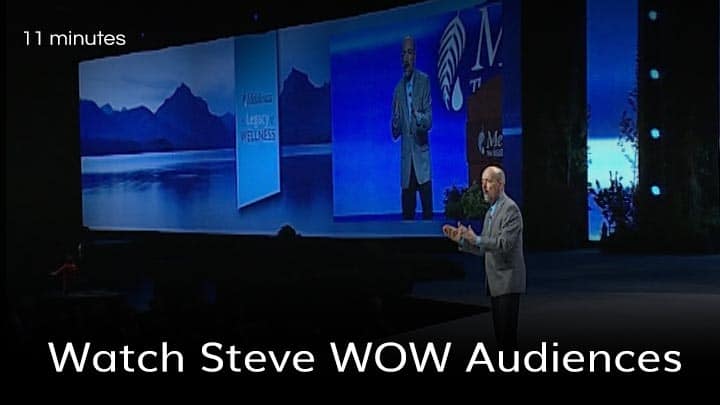
Steve Rizzo is a Hall of Fame funny keynote speaker, author, and personal development expert known for helping individuals and organizations discover greater enthusiasm, increased productivity, and new levels of success. As a former national headline comedian who shared the stage with Jerry Seinfeld, Rodney Dangerfield, and Eddie Murphy, Steve brings humor and practical wisdom to his message of personal and professional transformation.